Art Talk Collective
  • HOME
  • BLOG
  • SUBMIT
  • ABOUT
  • HOME
  • BLOG
  • SUBMIT
  • ABOUT
Search by typing & pressing enter

YOUR CART

12/31/2018 0 Comments

EXPLORE THIS MONTH | JANUARY

Picture
Welcome to the New Year! 2018 was full of innovative, engaging, and thoughtful exhibitions and with so many new shows to see, we have rounded up a quick look at some of our favorites for the upcoming 2019.
1) The Art Students League of New York | Des Moines Art Center
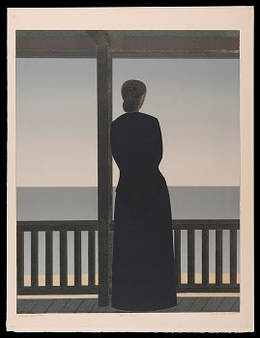
Established in 1875, the Art Students League of New York is an open-enrollment, affordable art school that has provided education to thousands of students. Offering classes in painting, drawing, sculpture, and printmaking, the League became an economic alternative to the competitive and expensive standard art school experience. Since its foundation in New York in 1892, the League has seen many renowned artists including Louise Nevelson, Jacob Lawrence, Milton Avery, and Isabel Bishop, making it highly reputable as an institution. Featuring drawings and prints from the League's permanent collection, this exhibition showcases student work from the last 80 years.
Picture
Will Barnet, Woman and the Sea, 1973. Courtesy of Des Moines Art Center.
Picture
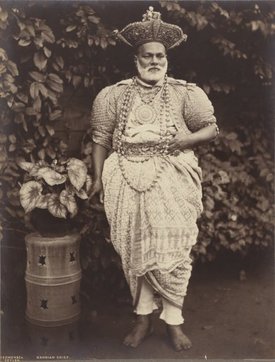
Scowen & Co., Kandian Chief, 1870. Courtesy of Los Angeles County Museum of Art.
2) The Jeweled Isle: Art From Sri Lanka | Los Angeles County Museum of Art
In this expansive survey, and the first American museum to do so, this exhibition covers two thousand years of Sri Lankan art. With over 240 works of art including decorative objects, photographs, textiles, and paintings, the exhibition constructs a comprehensive view of history and culture. These artworks and objects reflect the centuries of European influence and colonialism, as well as the diverse distinction of this unique South Asian nation. This survey also offers documentation of rare Buddhist imagery through photographs, textiles, and ivory objects. Rarely displayed items from the Los Angeles County Museum of Art, this collection showcases one of the largest selections of Sri Lankan art in the United States.
3) Cecily Brown: Where, When, How Often and With Whom | Louisiana Museum of Modern Art, Denmark
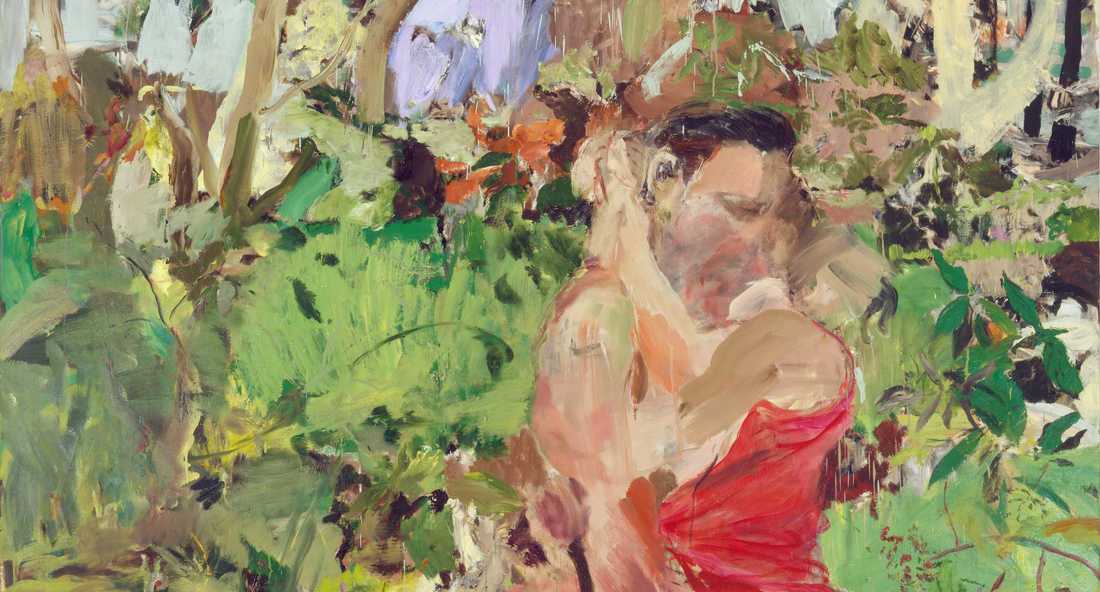
Considered to be a leading painter at the turn of the century, Cecily Brown has spent the past twenty years inspired by such artists as Francis Bacon, Willem De Kooning, Philip Guston, and Joan Mitchell. These expressive inspirations can be seen in her complex, large-scale works that resonate Abstract Expressionism at its core. At once chaotic and harmonious, Brown observes the genre with a classic, yet modern perspective. Drawn from moments in contemporary culture, Brown explores the human condition and sexuality within the modern world. With a vibrant brushstroke and an improvisational quality, these works successfully convey an emotional mindfield that remains relentlessly relevant.
Picture
Cecily Brown, Courtesy of Louisiana Museum of Modern Art.
Picture
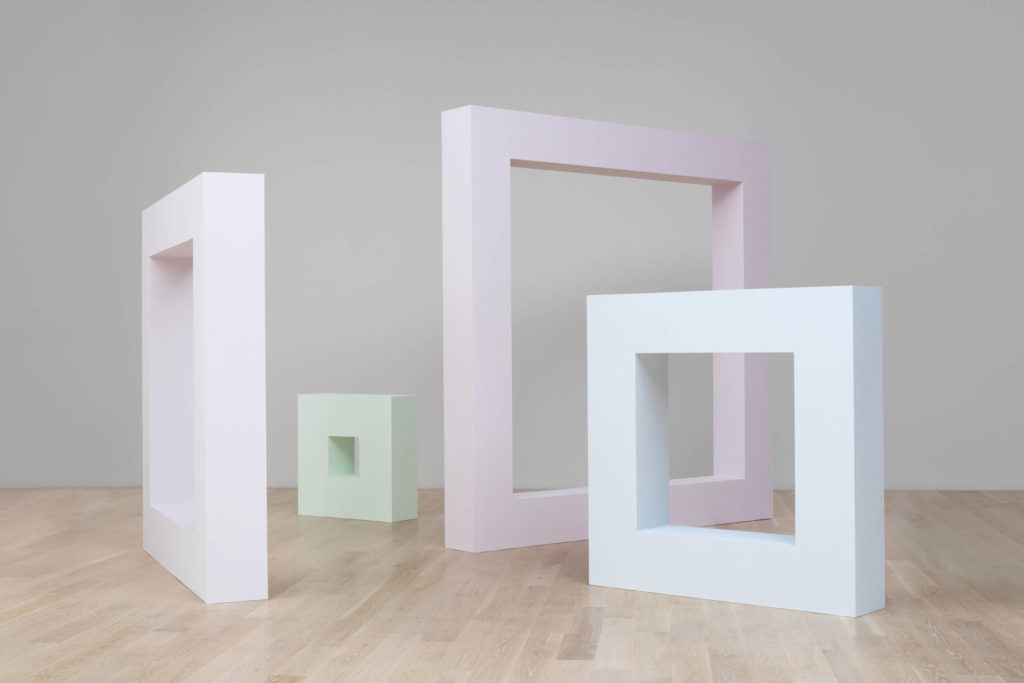
Judy Chicago, Sunset Squares, 1965/2018. Courtesy of Institute of Contemporary Art Miami.
4) Judy Chicago: A Reckoning | Institute of Contemporary Art Miami
Well known for her feminist ideal, Chicago has created countless projects and pieces that discuss women within an art historical reference. From her landmark installation, The Dinner Party (1974 - 79), an imagined dinner table set for 39 female icons to the legendary Womanhouse, Chicago remains a pioneer of feminist practice. Over the past decades, Chicago has continued to push the limits on institutional sexism, gender roles, and labor within stereotypes. This major survey of her work highlights her great works, but focuses specifically on her iconic shift between abstraction and figuration. Through visual tools, such as iconography (the study of symbols in art), Chicago maintains her original, enlightening conversation with a different, yet equally prolific dialogue.
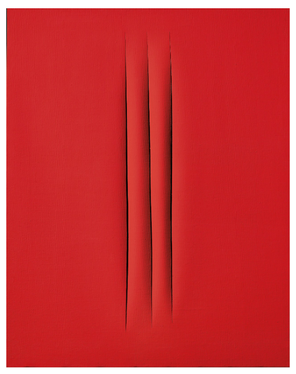
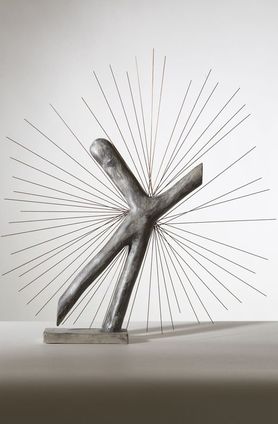
5) Lucio Fontana: On the Threshold | Met Breuer
This major retrospective of the Argentine-Italian artist will reexamine one of the most innovative painters of the 20th century. Based in Italy during World War II, Fontana became well known for constructing his Cut series; slashed paintings in which he physically cut his canvas to represent the extreme violence he was experiencing during wartime. This direct visualization resonated with viewers worldwide in the postwar era and became a staple of his work. In doing so, he subsequently questioned two-dimensional painting altogether and explored space in a rare and innovative way. This survey of his work showcases his famous Cut series, as well as his sculptural work in which his further examined space, both within the work and for the viewer.
Picture
Lucio Fontana, Concetto Spaziale Attese, 1967. Courtesy of Christies.
0 Comments

11/1/2018 0 Comments

EXPLORE THIS MONTH | NOVEMBER

Picture
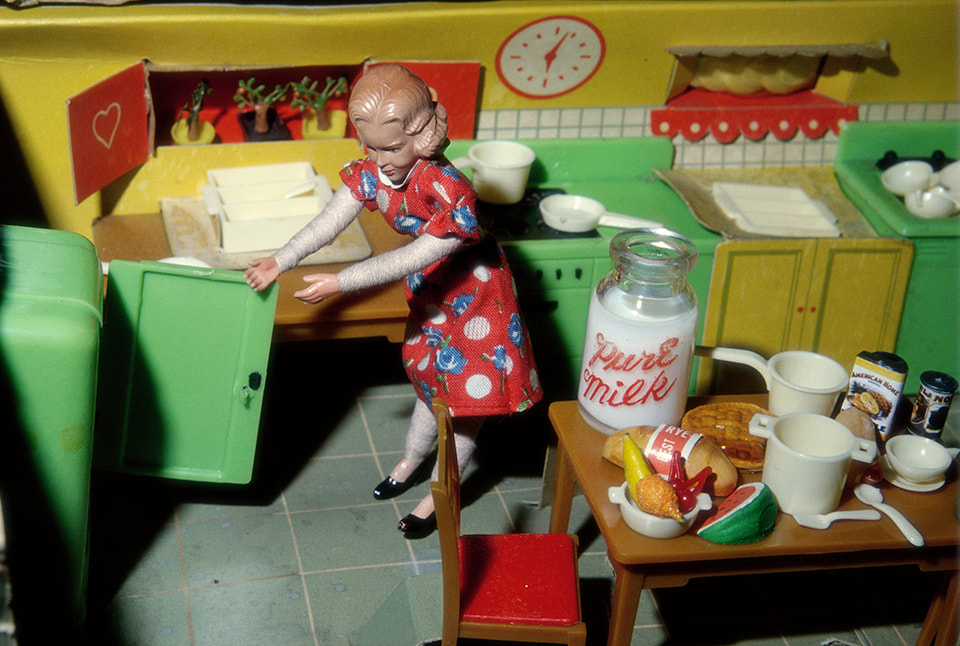
1) Laurie Simmons: Big Camera/Little Camera | Modern Art Museum of Fort Worth
In this major survey presentation, Laurie Simmons' showcases her definitive work from the 1970's to present, and in doing so, highlights their prevailing nature of today. Simmons' photographs utilize scale and props to discern scenes of "domestic bliss", or rather observe the settings in which this would occur. These orchestrated scenes subtly describe observations about life, the American Dream, and especially that of archetypal gender roles. This decades-long exploration has allowed Simmons to expand her fictional narratives and numerous themes. The survey also presents a selection of newer projects including The Love Doll (2009 - 2011), which features life-size Japanese dolls in various scenarios. With her distinct style and world-renowned addition to the feminist ideal, Simmons continues to redefine the genre.
Picture
Laurie Simmons, Woman Opening Refrigerator/Milk to the Right, 1979. Courtesy of Modern Art Museum of Fort Worth.
Picture
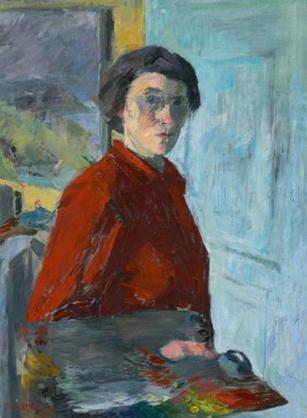
Ruth Smith, Self Portrait, 1955. Courtesy of The Phillips Collection.
2) Nordic Impressions: Art from Aland, Denmark, the Faroe Islands, Finland, Greenland, Iceland, Norway and Sweden, 1821 - 2018 | The Phillips Collection
Spanning nearly 200 years and featuring over 50 artists, the Phillips Collection successfully attempts to describe what distinguishes Nordic art. Covering a vast landscape of incredibly diverse nations, Nordic artists have centered on themes such as light vs. dark, nature and folklore, and liberalism. Within these various themes, the exhibition aims to highlight the native pioneers such as Helene Schjerfbeck, who championed the Golden and Romantic era, and Franciska Clausen, who discussed French influence and nationalism. The show also presents contemporary giants who are inspired by these past greats, and are honoring the cultural traditions of their predecessors. This exhibition presents an opportunity to view art that is rarely shown from these numerous nations that are rich in history and singular in style.
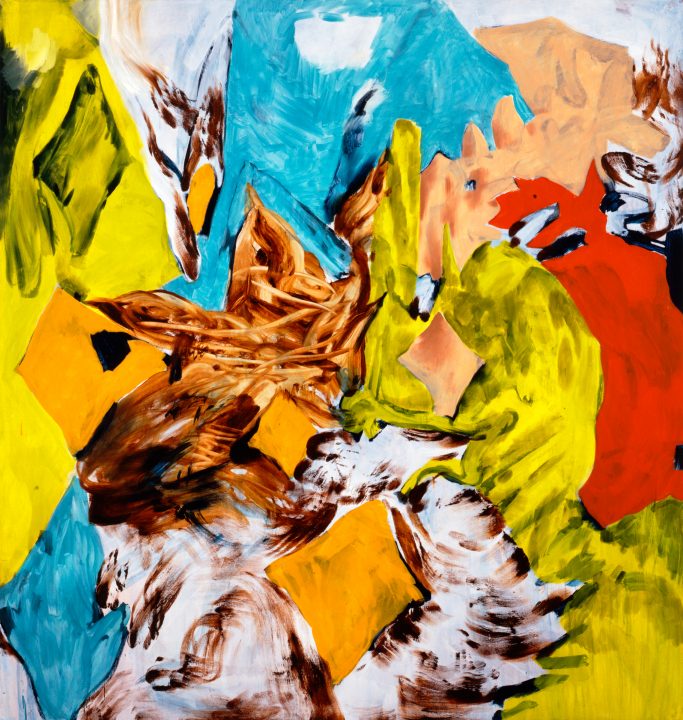
3) Charline Von Heyl: Snake Eyes | Hirshhorn Museum and Sculpture Garden
A multinational exhibition in conjunction with the Deichtorhallen Hamburg in Germany, presents the largest museum survey on Charline Von Heyl's work. Featuring thirty large-scale paintings, this exhibition showcases the contemporary painter and her redefining of abstract painting. Her rethinking of the genre offers a different perspective on composition, color and narrative. Famous for her colorful, stream of consciousness painting, Von Heyl is first and foremost interested in the act of painting itself and consequently flirts with the line between abstraction and figuration. The resulting product is inspired by many real-world sources such as her personal life, pop culture and literature, however the paintings themselves do not offer a path in reaching those signals. Her evolving practice creates a visual language for the viewer, one that relates to the overarching human condition in general, but also offers an individual standpoint nonetheless.
Picture
Charline Von Heyl, Bluntschli, 2005. Courtesy of Hirshhorn Museum and Sculpture Garden.
Picture
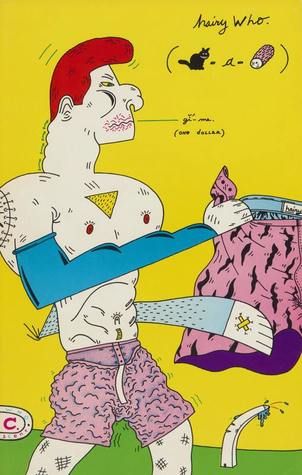
Jim Nutt, Front Cover of Hairy Who (cat-a-log), 1969. Courtesy of the Art Institute of Chicago.
4) Hairy Who? 1966 - 1969 | Art Institute of Chicago
Six graduates of the School of the Art Institute of Chicago transformed the Chicago art landscape over a period of four years. The Hairy Who was neither a movement nor a style, but merely a group effort to display bright graphic work inspired by advertisements, comics, posters and catalogs. Although the group had some similarities, each artist presented a personal viewpoint on the figurative work. The Hairy Who included Jim Falconer, Art Green, Gladys Nilsson, Jim Nutt, Suellen Rocca and Karl Wirsum, all of whom grew up during a period of national turmoil; the Vietnam war, political leader assassinations, student protests, civil rights movements, and chiefly the expansion of a consumer-based economy. Progressive and unique, Hairy Who was well known for their visual spontaneity, sense of humor, puns and inside jokes that presented ideas through a strategic game. This exhibition is presented on the 50th anniversary of the final Hairy Who Chicago show and features 225 works accrued from both public and private collections, in the very first major survey on the group. 
5) Enrico David: Gradations of Slow Release | Museum of Contemporary Art Chicago
Through introspection and observation of the human form, Enrico David has spent the last decades exploring the endless imagery of the body. Within various medium including sculpture, painting and installation, David explores and categorizes this vast theme. His representations of the body can be seen as tortuous, fragile, grotesque and vulnerable, and is ultimately presented as unstylized and singular. Although a contemporary artist, David successfully creates images that sometimes appear archaic or archival, something ancient that presents a timeless narrative. Within his work, David aims to establish an empathetic relationship between his beings and the viewer, creating a connection that is familiar and relative, but also revealing. His focus on themes such as introspection and disembodiment demonstrate the real human condition that actively makes the viewer relate, and in turn, wonder.
Picture
Enrico David, Tools and Toys III, 2014. Courtesy of Museum of Contemporary Art Chicago.
0 Comments

9/5/2018 0 Comments

EXPLORE THIS MONTH | SEPTEMBER

Picture
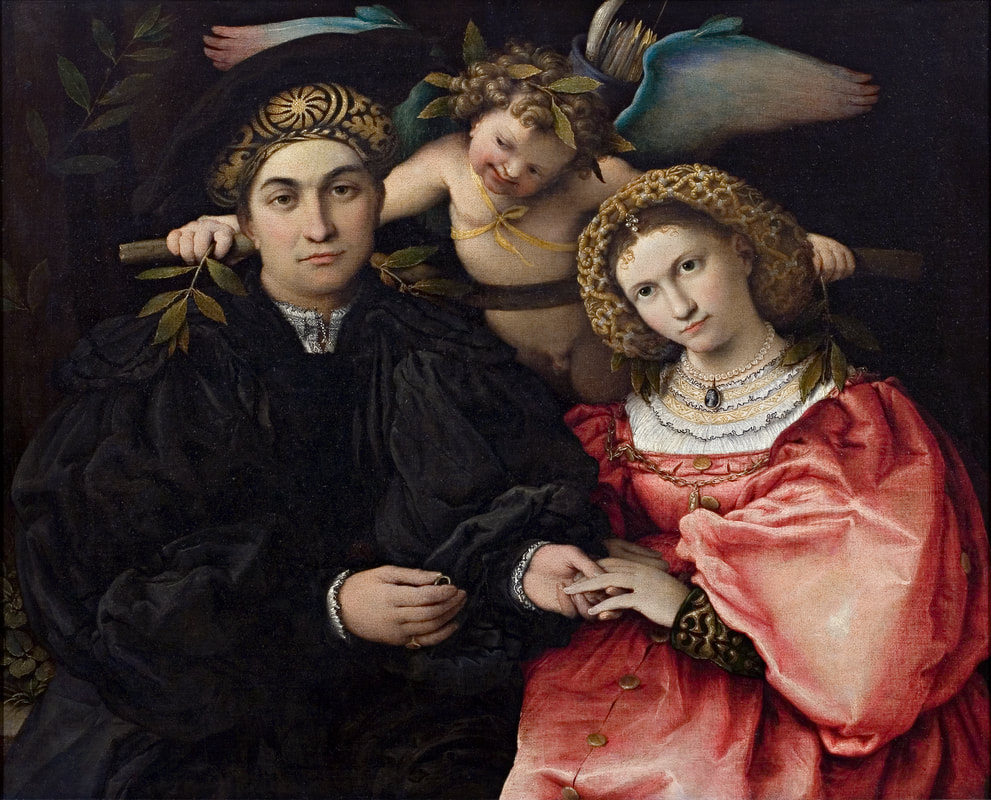
1) Lorenzo Lotto: Portraits | Museo Nacional del Prado
In the first ever major exhibition of his portraiture, Italian master painter Lorenzo Lotto, is being presented at the Prado Museum in Madrid, Spain. Recent surveys of Lotto's paintings have continued to discuss the radical psychological focus of his portraits. In 1895, Bernard Benson released the essay Lorenzo Lotto: An Essay in Constructive Criticism, which analyzed Lotto's works in conjunction with Freudian psychoanalysis, revealing him to be one of the first painters to present his sitter's state of mind. Often overlooked in lieu of other Italian masters at that time including Tintoretto and Pontormo, Lotto is now considered a great reflection of Italy during this time period. Through symbolism and typology, Lotto unveiled depth concerning status, interests and aspirations, and the emotions of his sitters, and in an even larger sense, the national quality of Italy in a great period of change.
Picture
Lorenzo Lotto, Micer Marsilio Cassotti and his Wife Faustina, 1523. Courtesy of Museo del Prado.
Picture
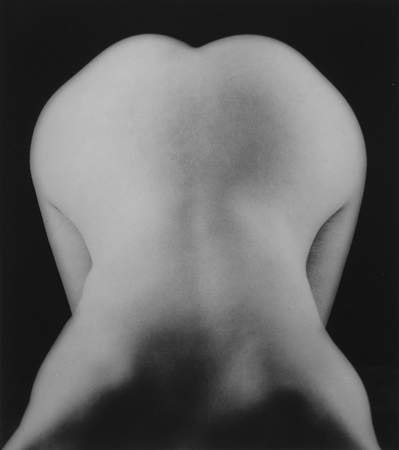
Lee Miller, Nude Bent Forward (thought to be Noma Rathner), c1930. Courtesy of Hepworth Wakefield.
2) Lee Miller and Surrealism in Britain | The Hepworth Wakefield
A true look into a fascinating movement, photographer and avant-garde experimentalist, Lee Miller, was an insider of the Surrealism movement in Britain during the 1930s. A student of Man Ray and wife to Roland Penrose, Miller spent the '30s surrounded by and promoting artists of Surrealism. Miller and Penrose hosted multiple Surrealist salons dedicated to the sales and advancement of the movement. This exhibition itself showcases the creative collaborations of artists that Miller knew, worked alongside, and exhibited with. Featuring some 60 images; candid shots of friends, but also documentations of war and poverty, the exhibition also presents sculptures, paintings and collages done by Surrealists of the time including Max Ernst, Salvador Dalí, Eileen Agar and René Magritte. For an art movement that was steeped in the radical and the weird, Miller's lens shows the reality of the movement and the integral players who led its success.
3) Pacha, Llaqta, Wasichay: Indigenious Space, Modern Architecture, New Art | Whitney Museum of American Art
A group exhibition featuring seven Latinx artists based in the United States and Puerto Rico, investigate the relationship and historical foundation between indigenous notions of land and space, and contemporary design and construction. The three words in the exhibition title are Quechua, the most readily spoken Indigenous language in the Americas. Pacha, translates to universe, world, nature, time or space; llaqta denotes community, town, or place, and wasichay signifies to build or construct a home. Defined through these words, each artist presents work rooted within a conceptual framework that showcases the historical, yet social significance of land and space in their Indigenous cultures in comparison, and in relation to, contemporary ideals. Rich in history and time, the presentations focus on an America that once was and how that has shaped what it is today.
Picture
Ronny Quevedo, quipu, 2017. Courtesy of Whitney Museum of American Art.
Picture
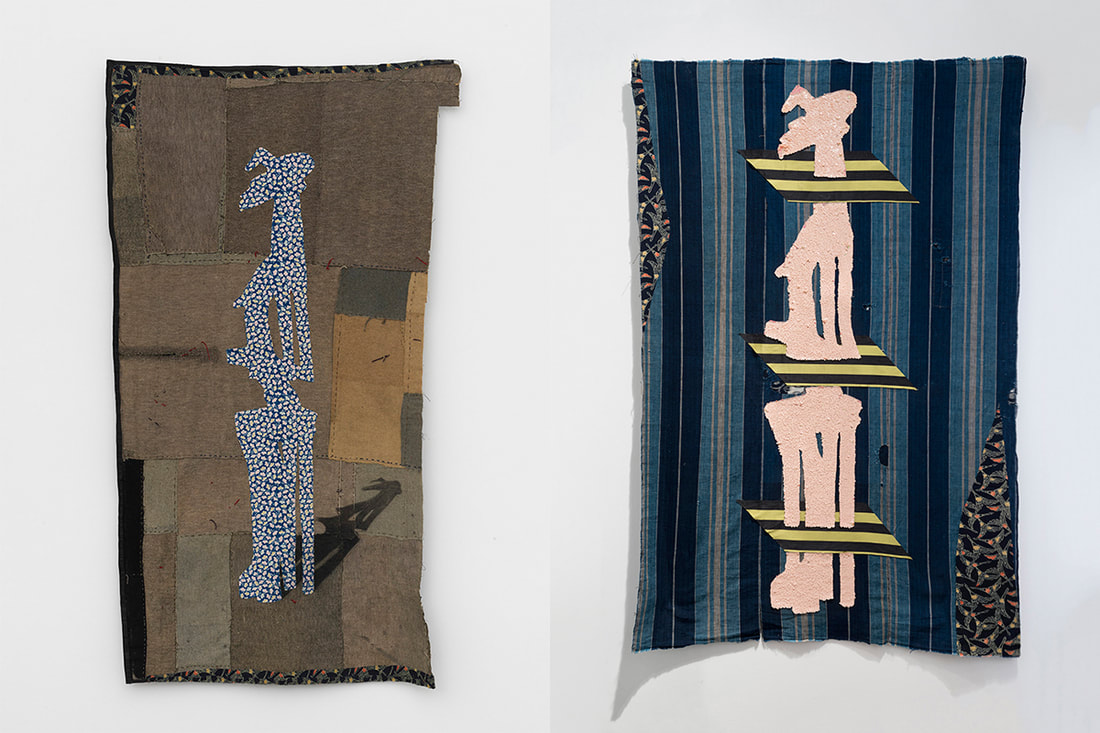
Sanford Biggers, Floral Seated Warriors, 2017. Courtesy of Contemporary Art Museum St. Louis.
4) Sanford Biggers | Contemporary Art Museum St. Louis
With a distinct emphasis on religion and a direct association with history, Harlem-based artist Sanford Biggers works in multiple mediums exploring appropriation and the literal recasting of symbolism. Biggers creates a dialogue surrounding historical trauma, and specifically that of violence against African Americans. While utilizing found objects such as African wooden sculptures and woven quilts, Biggers reconfigures their physical form to convey a conversation about their symbolic one; namely their historical or religious significance. Biggers's focus on these narratives allows the objects to transcend time to one of contemporary imagery and meaning, providing a rich visual and a critical discourse.
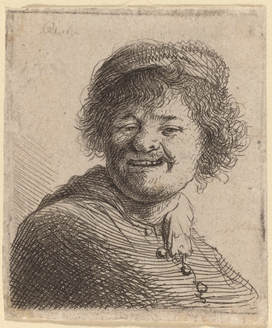
5) Sense of Humor | National Gallery of Art
An incredibly overlooked genre in art, comedy, is rarely made and rarely displayed. Generally seen throughout history in prints and drawings, the National Gallery of Art in Washington D.C. has compiled pieces from their personal collection showcasing a unique selection. The exhibition spans centuries, from Renaissance caricatures, English satires from the 19th century, and 20th century comics, and includes artists from all over the world such as Peter Brueghel the Elder, Francisco de Goya, Red Grooms and the Guerilla Girls. A telling exhibition that provides a glimpse into relevant history, and the universal human condition; humor.
Picture
Rembrandt van Rijn, Self Portrait in a Cap: Laughing, 1630. Courtesy of National Gallery of Art.
0 Comments

7/1/2018 0 Comments

EXPLORE THIS MONTH | JULY

Picture
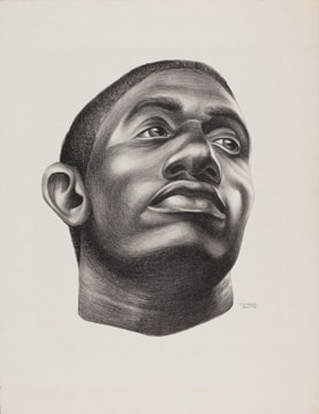
1) Charles White: A Retrospective | Art Institute of Chicago
The first major retrospective in 35 years for famed printmaker and muralist Charles White, this exhibition features his four decade career of representing the African American community. Integral to figurative work during a popular time for abstraction, White showcased the essential human condition as well as themes of equality and race. As a part of the black art community in Chicago in the 1930s, White was early to create art that was aimed at social change. Through his multiple moves to New York, Mexico City and finally Southern California, White honed his printmaking skills while continuing his work with civil rights and equality groups. In this rare exhibition of his work, the Institute has curated a selection of paintings, drawings and prints to fully present Charles White's lasting influence on the practice and the community he spent his life serving.
Picture
Charles White, Gideon, 1951. Courtesy of Art Institute of Chicago.
Picture
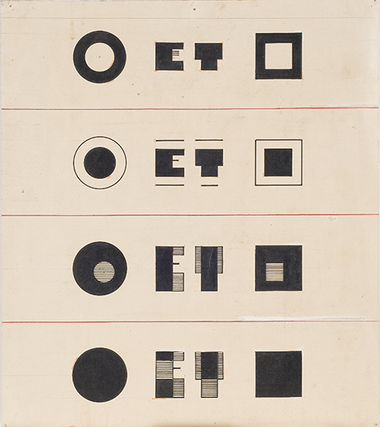
Pierre Daura, Untitled (Street PIC IIR 3), 1929. Courtesy of Boise Art Museum.
2) Cercle et Carré and the International Spirit of Abstract Art | Boise Art Museum
An artistic group that consisted of some 80 members spanning the globe was established in reaction to the then popularity of figurative work. Cerle et Carré (Circle and Square in French) was based in Paris in 1929 by Belgian artist Michel Seuphor, Uruguayan-Catalan artist Joaquín Torres-García, and Catalan-American artist Pierre Daura, but the group included artists such as Wassily Kandinsky, Jean Arp, Piet Mondrian, and Alexandra Exter. This collective group created art and journals based on their abstractionist ideals and represented modernism as a whole; namely Cubism, Dadism, Constructivism and others. At the time, the group was largely renounced by art critics, but now is considered the forefront of modernism itself. The exhibition includes over 50 works by 30 of the group's contributors and spans its beginnings, history and the sole exhibition that defined the short existence of the group. 
3) In The Spirit of Louise Noun | Des Moines Arts Center
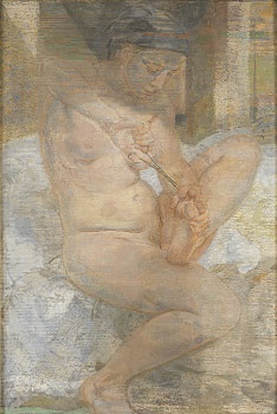
Famed Des Moines local, Louise Noun, was an advocate of the arts, a feminist voice, and a civil and social activist. As a beloved member of her community, Noun was also an avid art collector. Upon her death in 2002, Noun gifted her entire collection of works to the Des Moines Arts Center; a 200 work selection by all female artists.  Her early acquisitions included women artists who were being overlooked at the time, but have since been shown as visionaries of their time, and essential to the art historical canon.  Noun's collection spanning from the 1970s - 90s included works from icons such as Eva Hesse, Agnes Martin, Kiki Smith, and Barbara Kruger. In celebration of Noun's contribution to the Center and her undying spirit, the exhibition itself presents these works juxtaposed with others from the Des Moines Arts Center collection, enlivening Noun's original acquisitions and showcasing her pioneering artistic vision.
Picture
Isabel Bishop, Nude, 1958. Courtesy of Des Moines Arts Center.
Picture
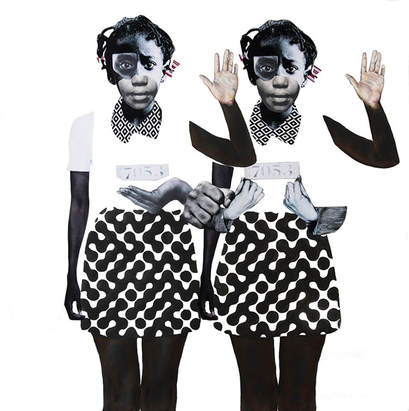
Deborah Roberts, Political Lambs in a Wolf's World, 2018. Courtesy of Stephen Friedman Gallery.
4) Talisman in the Age of Difference | Stephen Friedman Gallery
Inspired by the world's continued battle with rampant racism, British artist Yinka Shonibare has curated a redefining exhibition from an outsider's perspective. A Nigerian native, Shonibare only faced true racism upon leaving his home country. Shonibare's selection is curated as a vehicle of change, showcasing artists of African origin and images that respond to the African diaspora and history. In an attempt to present not only a wide range of ideals and topics, Shonibare is also interested in opening up a dialogue about African symbolism throughout non-African art, an inspiration for art that has been readily seen and accepted. The exhibition features many heavy hitters including Kehinde Wiley, Lubainia Himid, and Marlene Dumas, and functions as both a contemporary exhibition, but also a call to action to further African representation.
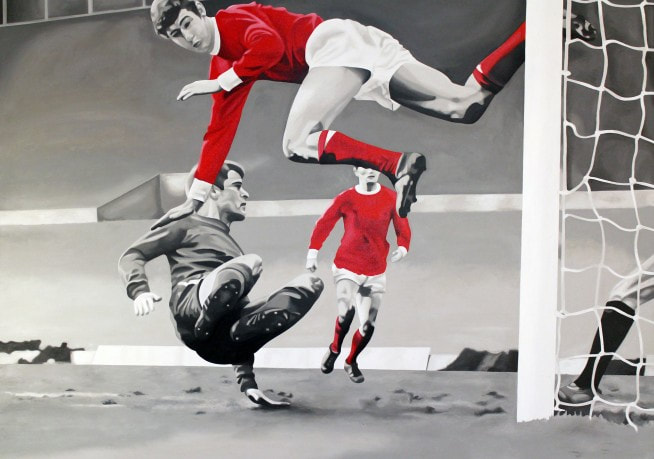
5) The World's Game: Fútbol and Contemporary Art | Pérez Art Museum Miami
In celebration of one of the world's most beloved sports and largest tournament, the FIFA World Cup, this exhibition features a crossing between contemporary art and soccer, better known as fútbol. Utilizing 40 some artists, The World's Game shares an international viewpoint in which each artist discusses the political and social environment surrounding the sport and its role within a greater society. Whether that be just as spectacle or a platform for change, this sport provides a well known arena for the entire world. With a multitude of mediums, the exhibition commemorates the international language of soccer and its various and vast diversities.
Picture
Chris Beas, The Kidd's Alright, 2008. Courtesy of Perez Art Museum Miami.
0 Comments

6/1/2018 0 Comments

EXPLORE THIS MONTH | JUNE

Picture
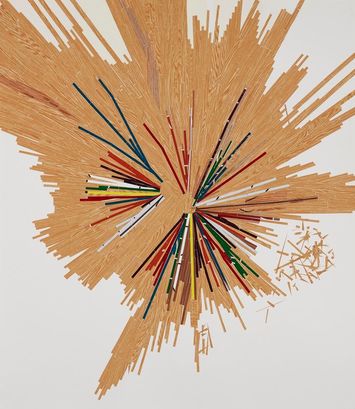
Summer for many suggests travel. Exploring new places, new cultures and hopefully new artistic inspirations. Beat the heat and take some time to  participate at art institutions around the world, whether you stay local or travel abroad. Better yet, explore and report back to us if you make it to any of these new and noteworthy exhibitions!
1) In The Fields of Empty Days: The Intersection of Past and Present in Iranian Art | LACMA
With a distinct and lush cultural narrative, Iran contains a history of ancient kings and heroes who stand as significant contemporary paradigms. This showcase of 125 artworks explores this cross section between the ancient factions of art and literature and the current visual metaphors that are still consistently used today. Through the appropriation of Shahnama, or Book of Kings, known today as the "national epic" of Iran, contemporary Iranian artists discuss the history of the country through the present. This intersection asserts discussion on not only the past through remembrance, but continues the dialogue as to how it has shaped the overall Iranian culture through art. Seen in versatile media including painting, sculpture, video, animation and political cartoons, these contemporary artists utilize the power of hindsight in defining their present.
Picture
Siamak Filizadeh, Anis al-Dawla, 2014. Courtesy of LACMA.
Picture
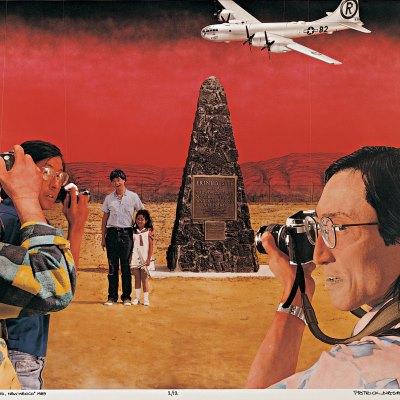
Patrick Nagatani, Trinity Site, Jornada Del Muerto, New Mexico. (from the series Nuclear Enchantment), 1989. Courtesy of New Mexico Museum of Art.
2) Patrick Nagatani: Invented Realities | New Mexico Museum of Art
Seen as a prominent figure within southwestern art, Patrick Nagatani used photography in the broadest sense of the practice. With experience in Hollywood special effects, Nagatani created sets and models specifically made for photography in the mid-1980's, ultimately becoming a leading directorial figure within the genre. Nagatani's photographic style attenuated a satirical fiction that utilized humor to focus on current social issues, such as the Atomic Bomb. The exhibition highlights selected works from the museum's permanent collection along with his famous Polaroid collaborations with artist Andrée Tracey. Seen as an icon of the southwestern narrative, Nagatani provided a utterly unique approach to a frequently seen medium, inspiring a new generation of photographers and artists alike.
3) Japan in Architecture: Geneologies of Its Transformation | Mori Art Museum
For its 15th year anniversary, the Mori Art Museum in Tokyo is presenting a monumental exhibition on Japanese architecture; its leading creative figures, and the forever links its practices still holds to its long and lush lineage. Structured within nine sections, the exhibition explains key concepts in order to overall understand contemporary Japanese architecture, but also traces centuries-old ancestry. Featuring some of its most famous architects including Tange Kenzo, Taniguchi Yoshio, Kuma Kengo and Ando Tadao, the exhibition presents 100 projects and over 400 objects, all dedicated to exploring the innovative past and present of Japanese structures.
Picture
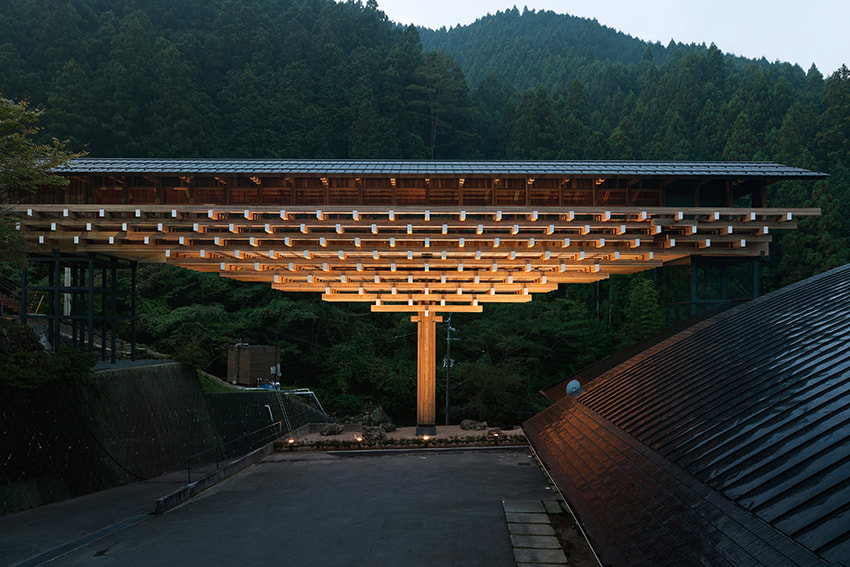
Kengo Kuma, Yushuhara Wooden Bridge Museum, 2010. Courtesy of Architectural Record.
Picture
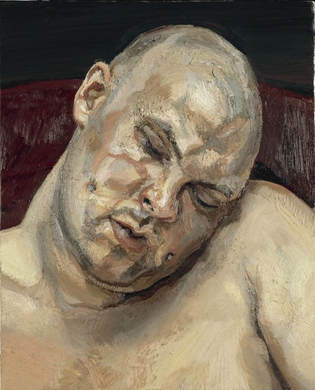
Lucian Freud, Leigh Bowery 1991. Courtesy of Tate Modern.
4) All Too Human: Bacon, Freud and A Century of Painting Life | Tate Modern
A multi-generational look at painting the human form, from some of Britain's greatest artists, spanning from Walter Sickert and David Bomberg to Francis Bacon and Lucian Freud, and onward. The all too frequently seen genre is approached from a chronological perspective, showcasing the influence of each on the other and the resulting innovations, departures and individuality of each new generation. Seen through elements of practice, history and sociopolitical issues of the times, these artists convey a subject so raw and relatable to any human being; flesh. This exhibition highlights the malleable structure and infinite positions that has provided a boundless foundation inspiring generations of art makers.
5) Irene Grau: Construction Season | Madison Museum of Contemporary Art
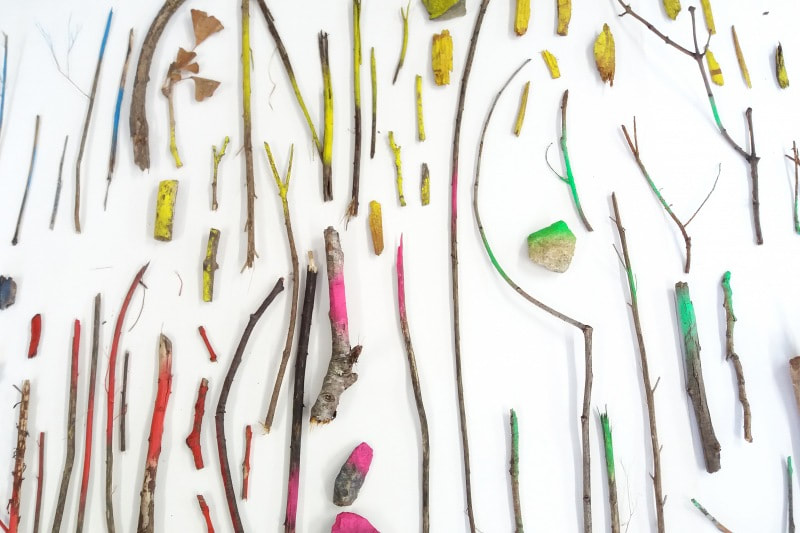
Irene Grau is a Spanish conceptual artist who recently finished a artist residency in Madison, Wisconsin. Her art is rooted in plein air painting, a centuries-old practice that enables the artist to paint outdoors instead of the studio. However, Grau's use of the practice becomes less about putting paint to canvas and more about exploring the monochromatic colors of natural abstraction. Grau utilizes color and the limits of space to discuss our natural landscapes, but also our constructed ones. Photographs describe the vibrant, color-coded lines we instill in our urban nature on streets and sidewalks. Grau searched any and all landscapes, scoping the continuous human imprint, but also the less noticeable.
Picture
Irene Grau, Accidentally Painted Elements. Courtesy of Madison Museum of Contemporary Art.
0 Comments
<<Previous

    Categories

    All Artist To Watch Collective Submission Explore This Month Favorite Features Fresh Friday In Review Notable Notes Of Significance The Monthly The Weekly Chase Trending Tuesday

Powered by Create your own unique website with customizable templates.